Every project aims for the day your team runs the tools on its own. We build so you won't need us.
We bring AI into the organization, one department at a time.
And build on the systems you already have.
Measured after 12 weeks·4 mapping sessions·Code and accounts in your name
02
SalesLead response time
MarketingCost per lead
Customer serviceTicket handling time
FinanceMonth-end close time
HRTime to hire
OperationsHours of manual work
Six departments. One organization.
SalesLead response time
MarketingCost per lead
Customer serviceTicket handling time
FinanceMonth-end close time
HRTime to hire
OperationsHours of manual work
03
How we build a tool that fits you
An off-the-shelf tool doesn't know your organization
Most AI tools are built for an average organization. Yours has its own systems, procedures, language and people. A general tool misses exactly the places where you lose the most time. And if an off-the-shelf tool is enough, we'll tell you.
Off-the-shelf tool
With us
Starts from the technology
Starts from the process that hurts most
People adapt to the tool
The tool fits the way you work
Creates vendor dependency
Everything is in your name
01Weeks 1–3
Mapping sessions
Four sessions of two to three hours, each with a different team of key people. We map where time really goes, choose two or three processes, and measure how long they take today.
Stays with youA process map and a measured baseline
02Weeks 3–8
Build around the work
We build on the systems you already have: Excel, Priority, SAP, monday or the inbox. The tool is shaped to the way you work, not the other way round.
Stays with youWorking tools, code and documentation, in your name
03Weeks 6–10
Training on your own tasks
AI champions are people from your own teams. They learn to run, fix and improve the tools on tasks from their own week, then teach their colleagues. We're beside them; they're at the wheel.
Stays with youAI champions who can change a tool without calling us
04Week 12
Measurement
We measure the same processes again, the same way, and compare them with the baseline. In the report, what didn't work gets as much space as what did.
Stays with youA before-and-after report and a recommendation on what to expand or stop
05Handover
We build so you won't need us
In every project, the goal is for your team to run the tools on its own. So we agree with you up front when our work ends. You can still reach us after that, with no monthly subscription running in the background.
We're done when:
Every tool has a named owner on your side.
Your champions have made at least two changes on their own.
There's an operations guide for when something breaks.
You can measure the results yourselves, the same way we did.
The code, prompts, accounts and data are in your name.
04
Six areas where AI pays back fast
Day-to-day pressure is felt most here, and improvement is relatively easy to measure. For each area we agree up front what we'll measure in week 12.
01 · Daily work
Data, reports and work tools
Meeting summaries, reporting, plan-versus-actual tracking, and pulling information from email, Excel and the systems you already have.
What we measure
Hours saved on reporting · time to answer a business question
02 · Know-how
Knowledge retention
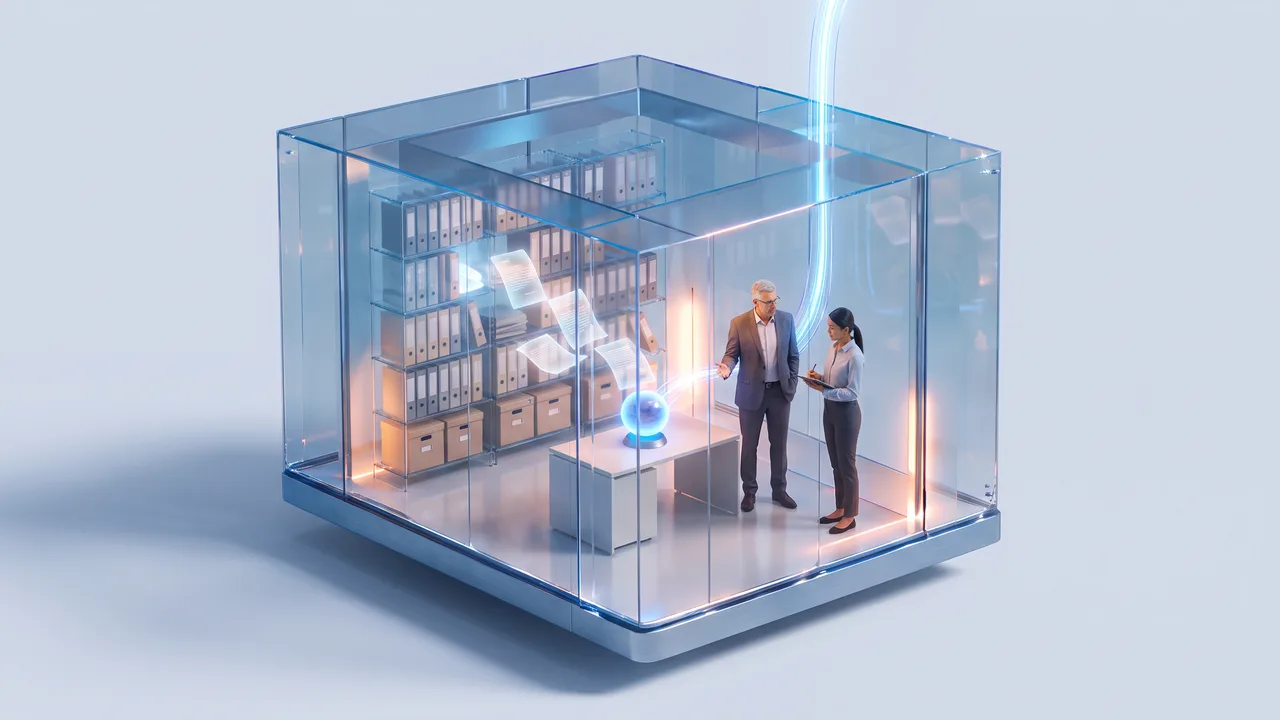
Long-time employees know things that aren't written anywhere. We capture that knowledge with them and build a tool that answers new employees and shows where each answer comes from.
What we measure
Time to onboard · repeat questions to long-time employees
Tasks that move between sales, finance, the warehouse and shipping and get stuck on the way. We build a tool that passes information between departments and flags what's stuck.
Example project. Procurement compared bids in mixed formats by hand. We built a tool that puts every bid into one table and flags hidden costs; comparison time fell from three days to four hours.
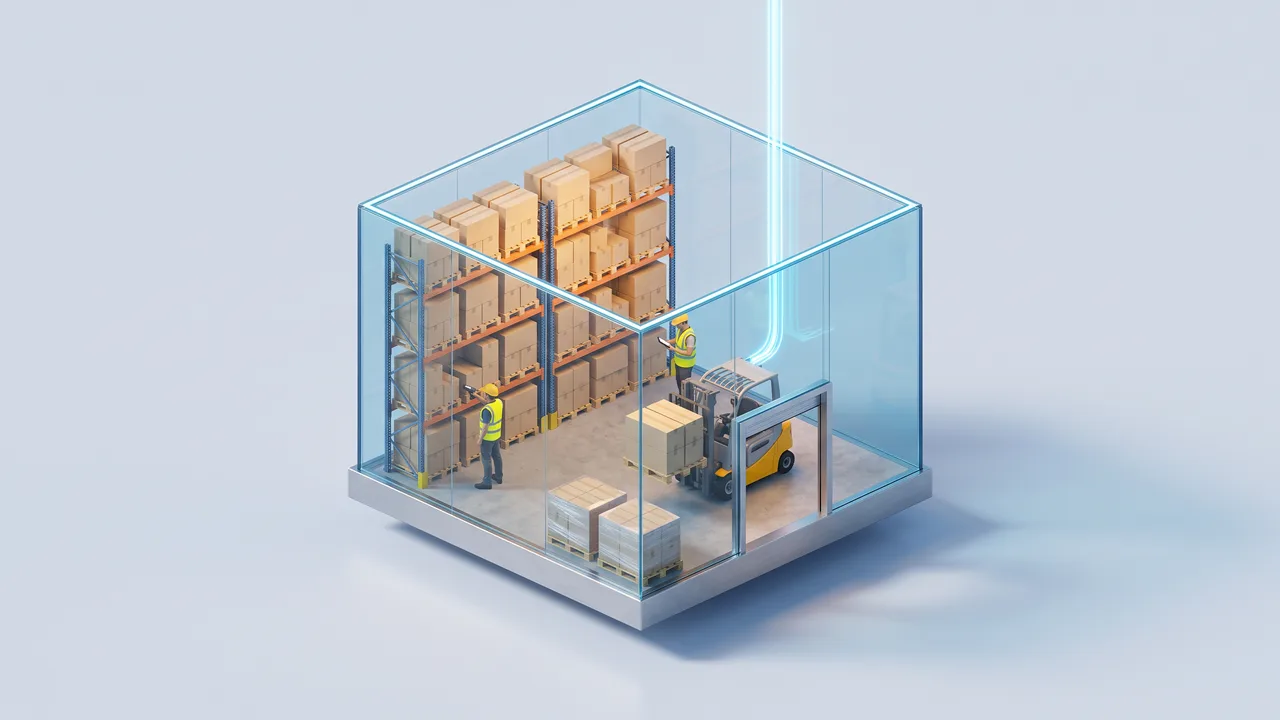
Example project. Orders were placed by feel, and shortages surfaced when a customer was already waiting. We built an alert that works out when to order from seasonality and lead times; stock-out days fell from 11 to 3 a month.
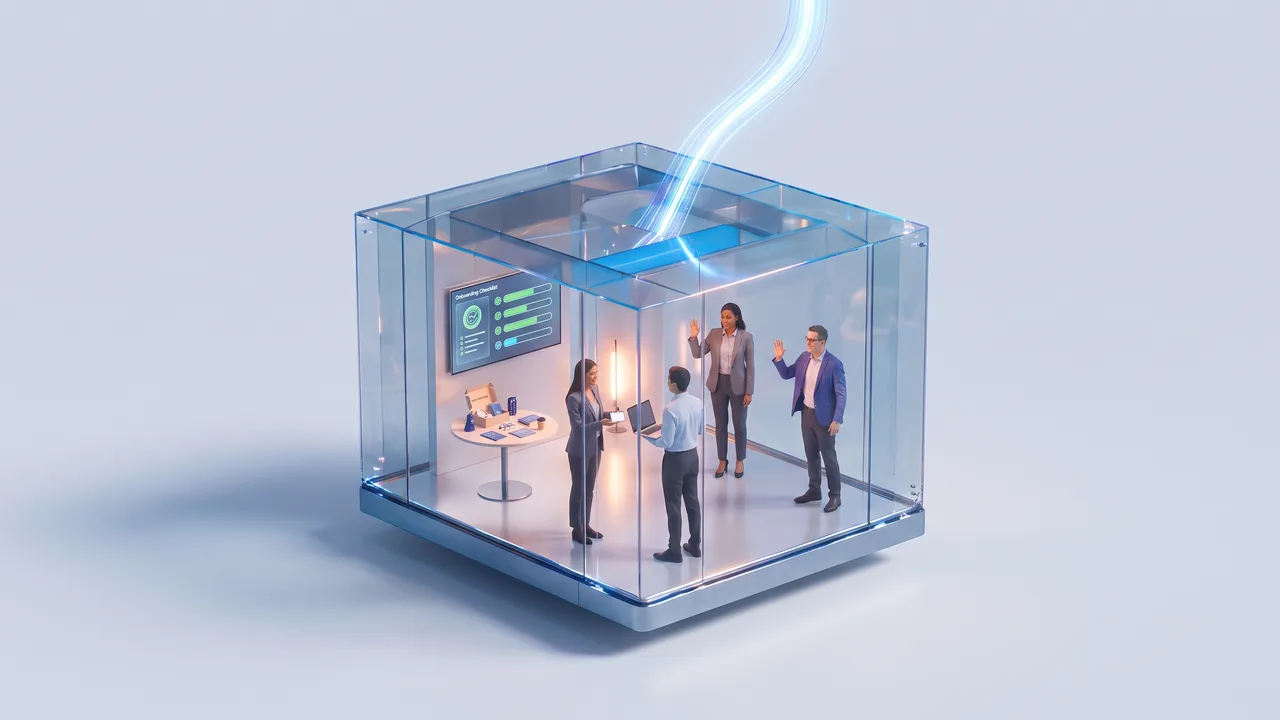
Example project. New staff asked veterans the same questions again and again. We documented the know-how and built an assistant that answers with a source for every reply; onboarding fell from 6 weeks to 3.
A first tool usually works within the first weeks of the build. The result itself is measured after about 12 weeks, against a baseline we measure together before we start building. We only count a result when it's measured the same way the starting point was.
Why not just buy Copilot or ChatGPT Enterprise?
Sometimes that's exactly what you need, and then we'll tell you. A general tool helps you write, summarize and search. When the work depends on your systems, procedures and data, like comparing supplier bids or compliance forms, you need a tool that's connected to them and knows your rules. Often the right answer combines both.
How much does AI implementation with you cost?
There's no single price, because scope varies from one organization to the next. The price depends mainly on the number of processes, how many systems need connecting, the state of the data, your information-security requirements and how many champions we train. After the intro call we send you a first outline and a modular quote, so you can start with one area and decide on the next step once you've seen the measurement.
Where is our data stored, and who sees it?
We decide that with you before building: which cloud service and which region of the world, who gets access, and which data leaves the organization at all. When the information is sensitive, we can choose a suitable provider and processing location, or not send identifying data at all. The accounts are in your name, so access control stays with you, and where needed we sign an NDA and a data processing agreement.
What happens when the tool gets something wrong or "makes things up"?
Language models can make mistakes, so we build the tools so that an error is caught before it costs money. The tools answer from your own sources and show where each answer came from. When there's no source, they say they don't have an answer. Actions with consequences, like sending to a customer or updating a system, go through human approval. Before go-live, every tool is tested on real examples from your work.
How much time will this take from our people?
First, four sessions of two to three hours with the key teams. After that, the champions work with us on tasks from their normal week, so training happens during the work rather than instead of it. Everyone else meets the tools once they already work, through their champions.
Who owns the code, prompts and data?
You do. The code, prompts, model-provider accounts and data are in your organization's name from day one. If you decide to continue on your own or with another vendor, everything you need is already with you.
What happens after you finish?
Your team runs the tools on its own: every tool has an owner, there's an operations guide, and there are AI champions who have already made changes on their own. When something breaks, you start with the guide and the champions, and because the code and documentation are yours, another developer can handle it too. We stay available for questions, a check-up or a new area, with no monthly subscription running in the background.
Let's start with an intro call
Tell us where the pressure is greatest. We'll get back to you for an intro call, and then send a first outline and a modular quote: you can start with one area and decide on the rest later.